.jpg)

Food & Beverage Waste Depackaging Services
Sustainable Solutions for Recalled, Expired, and Packaged Food Disposal
What Is Depackaging?
A Safe, Sustainable Way to Handle Food Waste and Finished Goods. We remove the food or beverage to compost and destroy the packaging in the process.
We work with a wide variety of materials and products:
-
Canned Goods
-
Tetra Pak Cartons
-
Cardboard Packaged Foods
-
Plastic Packaged Foods
-
Animal Feed
-
Contaminated Food Waste
-
Packaged Snacks
-
Dairy Products
Have a question about what we accept? Email us!

Why Choose Us for Food Waste Recovery
Zero Landfill
We can help with Zero Landfill Commitments
Sustainable Disposal
Sustainable Disposal = Compost, not Trash
COD
Certificate of Destruction – brand protection & compliance
Midwest Services
Locally Operated – Missouri-based depackaging & composting, leader in the Midwest
Trusted Brand
Trusted by Large Brands: Serving leading manufacturers of food and beverages and major grocery chains
Organic Waste Solution
A Smart Solution for Food Waste Disposal
Our depackaging services are designed to help businesses manage expired food products, shelf-life expiration, date code disposal, product recalls, misprinted labels, off-spec items, damaged goods, and surplus inventory. We carefully separate food and beverages from their packaging, ensuring the organic material is recovered for composting or other sustainable uses. At the same time, we handle the packaging in a way that minimizes waste and protects brand reputation—providing a responsible, secure solution for the disposal of non-conforming food products.
Depackaging Capabilities
We can handle any consumer packaged food and beverage palletized or in bulk.
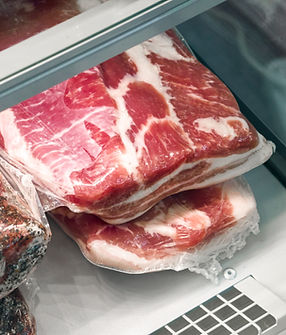
Meat Department
Meat trimmings, Packaged Meats

Dairy Department
Milk, Yogurt, Cream Cheese,
Sour Cream, Eggs

Prepared Foods
Sandwiches, Salads, Soups, Rotisserie Chicken, Meats, Meals

Bakery Department
Cakes, Breads, Cookies, Pasta, Cereal
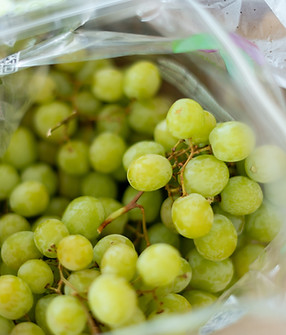
Grocery Department
Fresh Produce, Canned Goods, Rice, Candy, Cookies

Frozen Foods Department
Ice Cream, Frozen Pizza, Frozen Vegetables

Deli Foods
Meats, Cheeses, Pizza, Olives, Salads

Spoiled products are loaded into the depackager.

The packaging is mechanically separated from the organic waste.
THE PROCESS
While great care is exercised by manufacturers to maintain food integrity, occasionally unforeseen challenges arise which render the products no longer safe for human consumption. This includes foods not sold by the expiration date or materials that for whatever reason, failed to maintain their refrigerated state due to equipment failure.
St. Louis Composting can arrange for commercial manufacturers packaged spoilage to arrive at our depackaging facilities where we can separate the material that cannot be introduced to compost (the packaging), and reclaim the organic material (the food), and help it find a second beneficial purpose. The packaging can then be routed to recycling, disposal, or waste to energy.
Since non-compostable packaging cannot be introduced into the composting process, we utilize our depackaging facilities to minimize the waste created from material destruction and give the bulk of the organic material a second life in the form of nutrient-rich compost!

The packaging is routed to a compacter that collects it for disposal or recycling. The organic waste is collected into tankers to be utilized in the composting process.
